
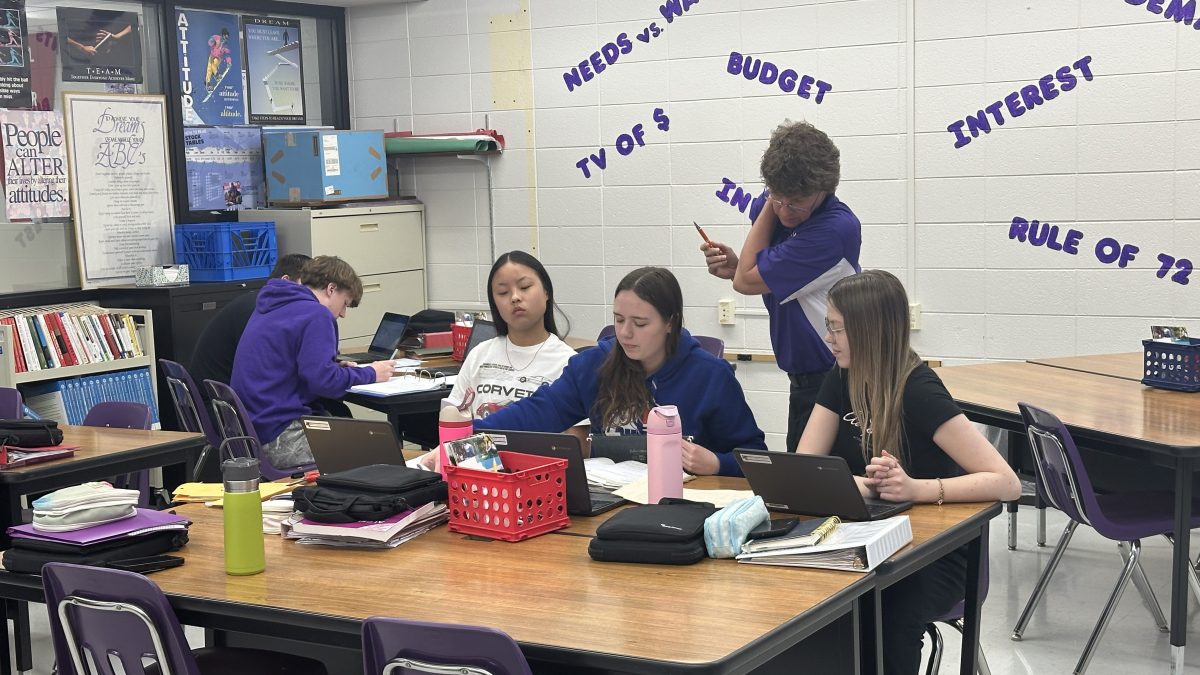
The bell rings at MOC-Floyd Valley High School and for students in the Career and Technical Education (CTE) courses, it is about doing, creating, and building the future.
Let’s get an inside look at our CTE programs; Business, Family and Consumer Science (FCS), Industrial Technology, and Agriculture.
The Business Hub: From Classroom to Commerce
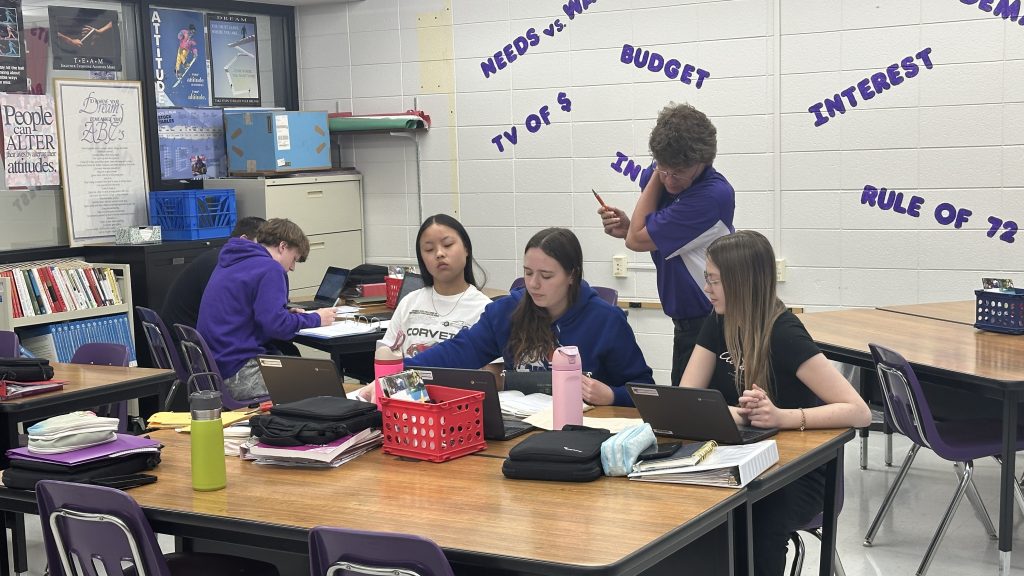
We begin in the Business Department, which feels just like a modern workplace. Here, students don’t just read about how business works, they get hands-on experience running it themselves.
In Dutch Designs, students get hands-on experience as they help run the school store, create social media content, and manage its online presence. Additionally, in Accounting, Personal Finance and Business Management students learn how to manage their own money, prepare financial documents and create a business plan.
- Skills Learned: Financial literacy, brand management, data analysis, and strategic entrepreneurship.
- The Benefit: Students graduate knowing how to manage their own money, market a product, and understand the macro and microeconomic forces shaping our world.
The FCS Department: The Art and Science of Living
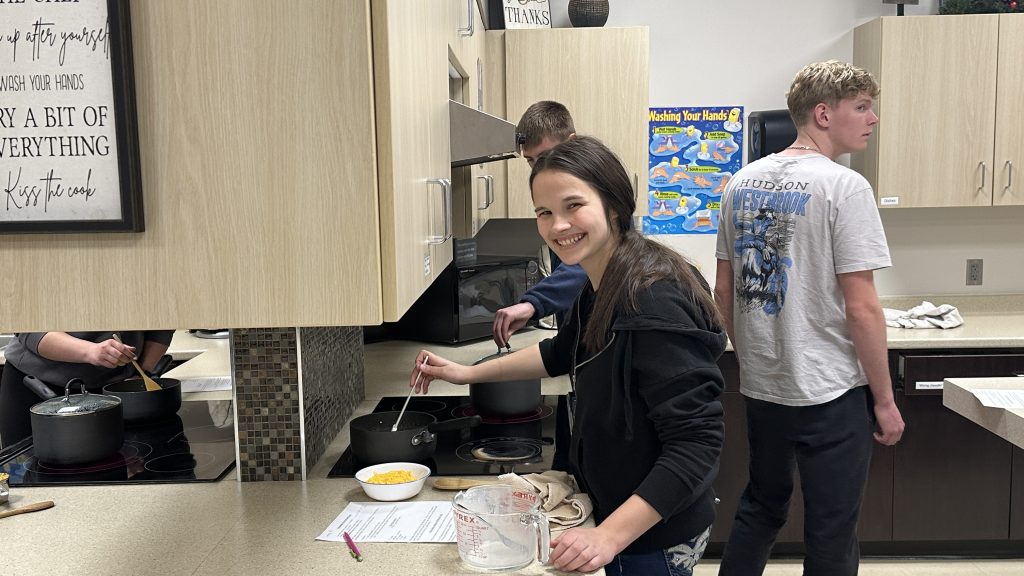
Across the hall in the Family and Consumer Science (FCS) classrooms, students in Foods 1 and 2 are busy learning cooking techniques and meal preparation. But FCS goes far beyond the kitchen. In Parent and Child Development, students learn about early childhood growth. Additionally, others are drawing floor plans in Housing, sewing in Creative Fashions, or learning practical daily habits in Independent and Skills for Living.
- Skills Learned: Culinary techniques, child development milestones, interior design, textile arts, and time management.
- The Benefit: Students gain the self-reliance needed to live on their own, alongside foundational knowledge for careers in hospitality, education, and design.
Industrial Tech: Engineering the Physical World
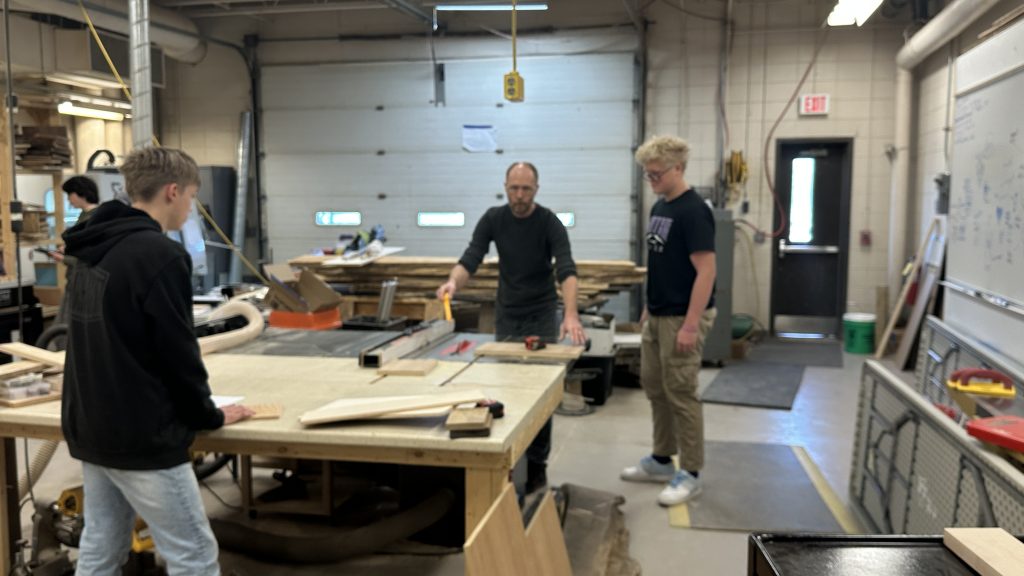
In the Industrial Technology labs, students learn by doing, using tools and equipment to build projects. This is where ideas become physical reality.
In Industrial Technology, students learn practical trades and engineering. In the shop, they study Manufacturing, Electronics, and Automation Robotics. In the woodshop, Carpentry students build wood projects from scratch. Whether they are designing 3D models in CAD (Computer Aided Design) or finishing a Manufacturing Capstone project, students learn to use heavy machinery and computers together.
- Skills Learned: Carpentry, CAD modeling, precision welding, robotic programming, and electrical circuitry.
- The Benefit: Students get a massive head start in high-demand trades and engineering, learning safety, spatial reasoning, and complex problem-solving.
Agriculture: Resource Management, Animal Science, and Mechanics
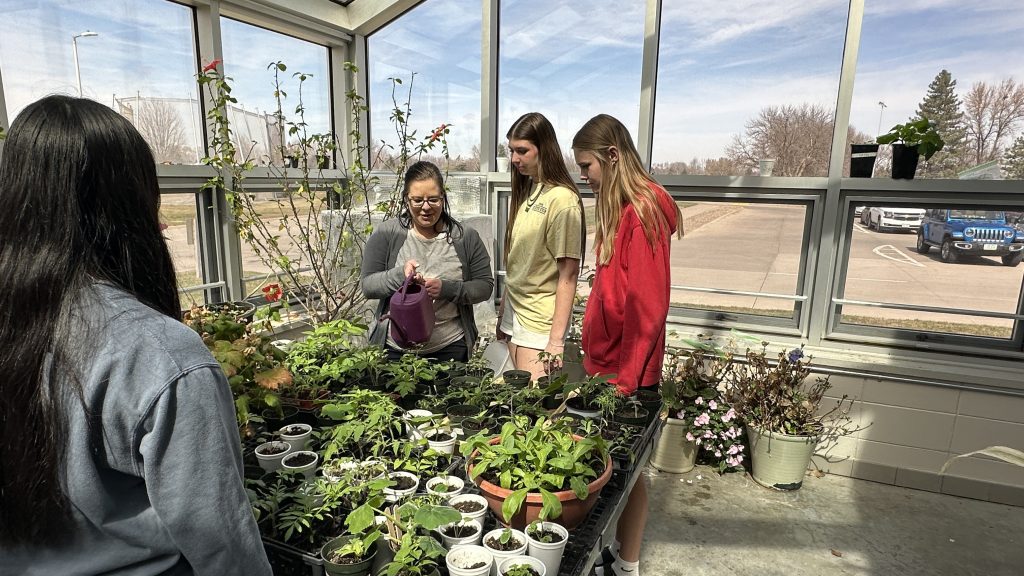
Finally, we step into the Agriculture department, where the curriculum is as deep and rich as Iowa topsoil.
In the Agriculture department, students learn about both plant and animal sciences. In Crop Production and Horticulture, they study soil health and plant growth, while Animal Science students learn about livestock care and genetics. In the shop, students learn how to repair engines in Ag Mechanics. They also practice public speaking in Ag Leadership and learn how to manage local habitats in Natural Resources.
- Skills Learned: Veterinary basics, agronomy, welding, environmental stewardship, and agribusiness management.
- The Benefit: Students connect deeply with the local economy and ecology, preparing for vital careers in global food systems, conservation, and agricultural business.
The Real-World Advantage
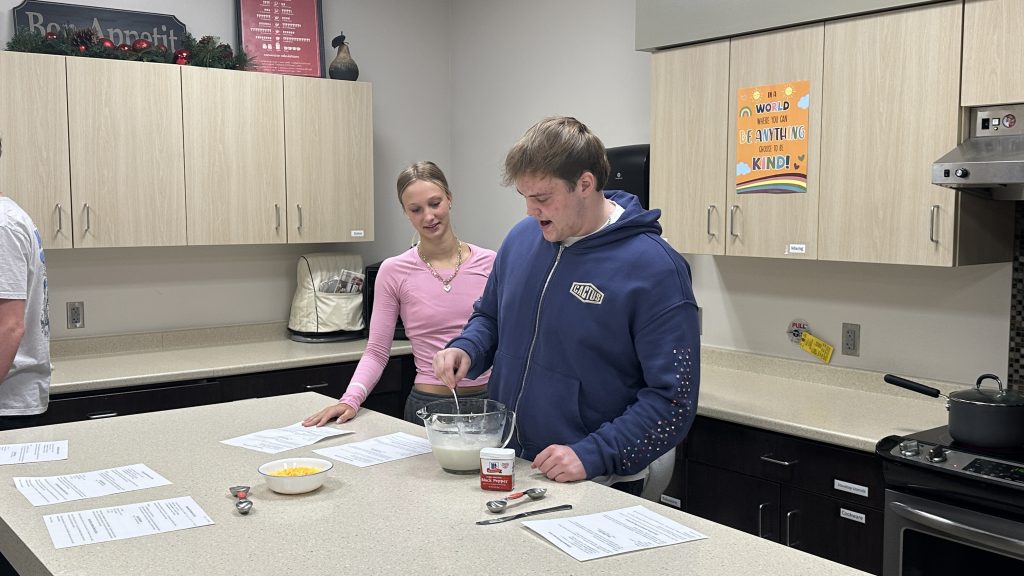
At MOC-FV, the CTE program gives students practical skills they can use right away. Students graduate with a diploma and many practical skills that they can continue to develop as they determine their path. They are ready for college, technical schools, or to step directly into the workforce.
MOC-FV CTE Course Offerings
| Business | Family and Consumer Science | Industrial Technology | Agriculture |
| Personal Finance Business Management Accounting 1 Accounting 2 Graphic Design Dutch Designs Business Software Macro/Micro Economics | Parent and Child Development Foods 1 Foods 2 – Adv. Foods Skills for Living Textiles/Creative Fashions Independent Living Housing and Interior Design | Intro to Industrial Technology Computer Aided Manufacturing Computer Aided Design Carpentry 1 Carpentry 2 Intro to Manufacturing Automation Robotics Manufacturing Capstone Electricity and Electronics | Ag Leadership Intro to Ag, Food & Natural Resources Crop Production Animal Science Advanced Animal Science Agriculture Mechanics Natural Resources Agriculture Management Horticulture |